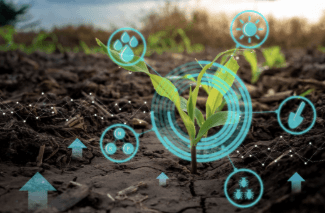
Smart technology underpins sustainable farming by linking sensors, drones, and AI to field data. Real-time soil moisture, nutrient status, and weather feed adaptive irrigation and input strategies. Data-driven, field-tested platforms align automation with ecological limits, supporting resilient crop cycles. A modular approach enables cost-aware budgeting and scalable systems with proactive alerts. The balance of precision and transparency invites further scrutiny of implementation, reliability, and long-term impacts across resource cycles.
What Smart Tech Now Powers Sustainable Farming
Smart farming today relies on an integrated set of technologies that monitor, optimize, and automate agricultural processes at scale. Data-driven systems quantify risk, yield, and resource use, enabling adaptive management. Biodegradable inputs minimize residue, while pollinator health informs crop planning and soil stewardship. Field-tested platforms align automation with ecological constraints, delivering scalable, freedom-oriented decision support for resilient farming operations.
How Sensors, Drones, and AI Cut Water and Inputs
Sensors, drones, and AI together enable precise water management and input optimization by translating field data into actionable decisions.
Field trials show calibrated irrigation schedules and targeted input applications reduce waste while sustaining yields.
Precision irrigation and drone mapping enable scalable, low-cost monitoring, minimizing runoff and energy use.
Systems thinking highlights cross-cutting efficiencies across soil, moisture, and nutrient cycles.
Data-Driven Decisions for Resilient Crop Systems
Data-driven decisions underpin resilient crop systems by translating real-time field measurements into adaptive management strategies. The approach integrates soil moisture, nutrient status, pest signals, and weather forecasts to calibrate interventions, reduce waste, and sustain yields.
In practice, decision trees, dashboards, and alerts enable proactive responses.
Data driven decisions reinforce resilience, transparency, and autonomy within complex agricultural systems. resilient crop systems.
Choosing the Right Tech for Your Farm and Budget
Choosing the right technology for a farm hinges on aligning capabilities with operational goals and budget realities. A data-driven, field-tested approach compares hardware, software, and services against measurable outcomes. Systems-thinking reveals interoperable platforms and scalability, while precision budgeting and cost benefit analysis quantify value. Freedom-literate farmers select modular solutions, minimize redundancy, and prioritize reliability, support, and adaptability for long-term sustainability.
See also: donorstech
Frequently Asked Questions
How Affordable Is Smart Tech for Small Farms?
Affordable options exist, but affordability varies by scale; small farm adoption benefits from modular, pay-as-you-go systems, shared services, and leasing. Data-driven, field-tested evidence suggests gradual cost reductions, enabling scalable integration while preserving operational freedom and resilience.
Can AI Replace Human Agronomists Entirely?
AI automation cannot fully replace human agronomists; while algorithms enhance analysis, expertise, intuition, and field adaptation remain essential for complex decisions, stewardship, and ethical considerations, ensuring resilient, data-driven systems with ongoing human oversight and innovation.
What Skilled Maintenance Do These Systems Require?
Sensor maintenance and component durability require routine calibration, inspection, and shielded enclosures; field-tested practices emphasize predictive servicing, redundancy, and standardized data interfaces. A systems-thinking perspective shows proactive upkeep enables autonomous systems to sustain reliable, freedom-respecting agricultural operations.
How Secure Are Farm Data and Privacy Risks?
Data ownership and cyber risk are significant but manageable in modern farming systems; robust authentication, encryption, and access controls reduce exposure. The answer emphasizes governance, continuous monitoring, and vendor transparency, enabling freedom-minded operators to weigh risk against value.
Do Sensors Affect Soil Biology Long-Term?
Sensors soil long term effects are evaluated through controlled trials showing intermittent microbial shifts with device presence; however, benefits in nutrient timing often outweigh perturbations. Data-driven, field-tested analyses indicate minimal, reversible impacts when management adapts to observed patterns.
Conclusion
In the fields where sensors whisper, drones whisper louder, and AI keeps perfect records, sustainability apparently thrives on pixel-perfect precision. Data-driven decisions, field-tested logic, and systems-thinking charts paint a flawless balance: inputs trimmed, outputs predictable, resources conserved. Yet the irony remains: the more automated the farm becomes, the more human judgment seems optional. Still, the conclusion is clear—smart tech can harmonize cycles, provided budgets, maintenance, and ecological constraints stay firmly aligned with the data.