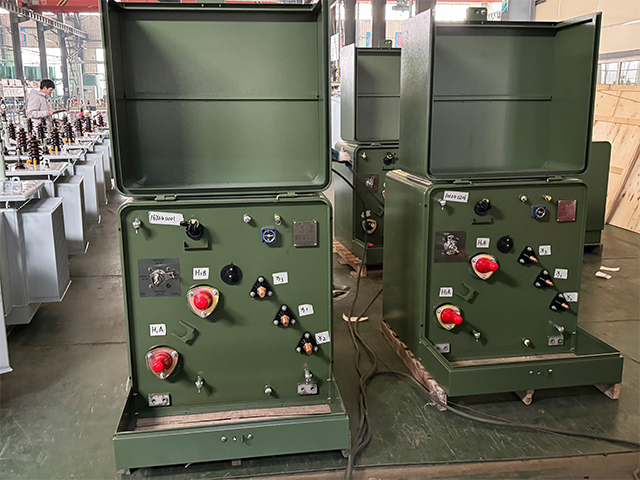
A single phase transformer pad is an essential component of modern electrical distribution systems. It provides a stable and secure foundation for pad-mounted transformers, ensuring they remain protected from shifting, settling, and environmental damage. Although transformers receive most of the attention in an electrical system, the pad beneath them plays an equally important role in maintaining safety, reliability, and long-term performance.
Single phase transformer pads are widely used in residential communities, commercial buildings, industrial facilities, and renewable energy projects. Choosing the right transformer pad can improve equipment lifespan, simplify maintenance, and reduce the risk of structural issues over time. In this guide, you’ll learn everything you need to know about single phase transformer pads, including their purpose, applications, materials, installation process, maintenance, and key factors to consider before making a purchase.
What Is a Single Phase Transformer Pad?
Before selecting a transformer pad, it is important to understand its purpose within an electrical distribution system. A transformer pad is specifically designed to support pad-mounted transformers while providing a stable platform that can withstand heavy loads and varying weather conditions.
A single phase transformer pad is typically manufactured from precast or reinforced concrete, although composite materials are also used in some applications. It evenly distributes the transformer’s weight while providing designated openings for underground conduits, grounding systems, and electrical cables. By creating a solid foundation, the pad helps prevent movement that could affect the safety or efficiency of the transformer.
Unlike pole-mounted transformers, pad-mounted transformers rely entirely on the stability of their ground-level foundation. For this reason, selecting the correct transformer pad is an essential step in any electrical installation project.
Why Is a Single Phase Transformer Pad Important?
A transformer is a valuable piece of electrical equipment that operates continuously for many years. Without a properly designed foundation, the transformer may become unstable, experience unnecessary stress, or develop maintenance issues. A high-quality transformer pad ensures the equipment remains secure while supporting reliable electrical distribution.
Provides Structural Stability
One of the primary functions of a transformer pad is to provide a stable and level surface that supports the weight of the transformer. Proper load distribution prevents uneven settlement, reducing the risk of structural damage and improving overall equipment reliability.
Protects Expensive Electrical Equipment
Transformers represent a significant investment, making equipment protection a top priority. A properly installed transformer pad minimizes vibration, movement, and shifting that could otherwise damage internal transformer components or electrical connections.
Improves Safety
Safety is one of the most important reasons for installing a quality transformer pad. The foundation helps maintain required clearances, supports proper grounding, and creates a secure installation that reduces potential hazards for technicians and nearby property owners.
Extends Equipment Lifespan
Stable foundations reduce unnecessary stress on transformers throughout their service life. By minimizing movement and moisture exposure, transformer pads help electrical equipment operate efficiently for decades with fewer maintenance requirements.
Simplifies Maintenance
Routine inspections and maintenance become much easier when transformers are installed on properly leveled pads. Maintenance crews can safely access equipment without dealing with settlement or alignment issues.
Applications of Single Phase Transformer Pads
Single phase transformer pads are used across a wide range of industries because they provide reliable support for electrical infrastructure. Their versatility makes them suitable for both small-scale and large-scale installations.
Residential Developments
Modern residential neighborhoods increasingly rely on underground electrical distribution systems. Transformer pads provide the stable base required to support pad-mounted transformers that safely distribute electricity throughout the community.
Commercial Buildings
Retail stores, shopping centers, office complexes, restaurants, and other commercial properties require dependable electrical infrastructure. Transformer pads ensure electrical equipment remains secure while supporting consistent power delivery.
Industrial Facilities
Manufacturing plants and industrial operations often use single-phase transformers for specialized equipment and auxiliary systems. Heavy-duty transformer pads provide the strength necessary to support these installations under demanding operating conditions.
Educational and Healthcare Facilities
Schools, universities, hospitals, and healthcare centers require reliable electrical systems to maintain daily operations. Transformer pads contribute to uninterrupted power distribution by providing a stable foundation for critical electrical equipment.
Renewable Energy Projects
Solar farms and renewable energy installations frequently use pad-mounted transformers to connect generated electricity to the utility grid. Durable transformer pads help ensure these systems remain operational in outdoor environments.
Materials Used for Single Phase Transformer Pads
The material used to manufacture a transformer pad directly affects its strength, durability, and long-term performance. Choosing the appropriate material depends on project requirements, environmental conditions, and expected loading.
Precast Concrete
Precast concrete is the most common material used for transformer pads because it combines excellent strength with long-term durability. Manufactured in controlled factory environments, precast pads provide consistent quality and are ready for installation immediately after delivery.
Their resistance to weather, moisture, and heavy loads makes them suitable for most residential and commercial electrical projects.
Reinforced Concrete
Reinforced concrete transformer pads contain embedded steel reinforcement that significantly increases structural strength. This added reinforcement helps prevent cracking while improving the pad’s ability to support heavier transformers.
Industrial projects and utility installations often prefer reinforced concrete because it performs exceptionally well under demanding conditions and extended service life.
Composite Materials
Composite transformer pads are becoming increasingly popular for applications requiring lightweight yet durable foundations. These pads resist corrosion, moisture, and chemicals while offering easier transportation and installation compared to traditional concrete products.
Although composite pads may not be suitable for every project, they provide an excellent solution for specialized installations where weight reduction is important.
Standard Sizes of Single Phase Transformer Pads
Transformer pads are manufactured in both standard and custom configurations to accommodate different transformer models and utility specifications. Rather than selecting a pad based solely on dimensions, it is important to ensure the foundation matches the transformer’s footprint, weight, and conduit layout.
Residential Transformer Pads
Residential transformer pads are generally designed for smaller pad-mounted transformers that serve homes or small neighborhoods. These pads provide sufficient structural support while allowing convenient access for underground electrical conduits.
Commercial Transformer Pads
Commercial transformer pads are typically larger and stronger because commercial transformers often handle higher electrical loads. These pads incorporate additional reinforcement to ensure long-term structural stability under increased operating demands.
Custom Transformer Pads
Some projects require custom transformer pads designed to meet unique engineering specifications. Manufacturers can modify dimensions, conduit openings, reinforcement, and mounting configurations to satisfy utility requirements and project-specific needs.
Key Features of a Quality Single Phase Transformer Pad
Not every transformer pad offers the same level of quality or performance. Understanding the most important features helps ensure you select a foundation capable of supporting reliable electrical infrastructure for many years.
High Load Capacity
A quality transformer pad should be engineered to support the full operating weight of the transformer without cracking or settling. Proper load capacity ensures structural stability while reducing long-term maintenance requirements.
Durable Construction
High-quality transformer pads are manufactured using premium materials and strict quality control processes. Durable construction helps the pad withstand heavy equipment, changing weather conditions, and decades of continuous service.
Proper Cable Access
Transformer pads should include accurately positioned conduit openings that allow underground electrical cables to enter the transformer safely. Proper cable access simplifies installation while reducing the risk of alignment problems.
Weather Resistance
Outdoor transformer pads remain exposed to rain, snow, sunlight, and temperature fluctuations throughout their lifespan. A weather-resistant design protects the foundation from deterioration while maintaining long-term structural integrity.
Utility Compliance
Most utility companies publish specific standards for transformer pad construction. Selecting a pad that complies with these requirements ensures smoother installation and regulatory approval.
How to Choose the Right Single Phase Transformer Pad
Selecting the correct transformer pad involves evaluating several important factors. A careful assessment helps ensure the foundation performs reliably while supporting future maintenance and electrical system requirements.
Consider the Transformer Weight
The transformer’s operating weight should always be one of the first considerations when choosing a pad. Selecting a foundation with sufficient load capacity helps prevent structural damage and uneven settlement over time.
Evaluate Site Conditions
Soil quality, drainage, and environmental conditions all influence transformer pad performance. Proper site preparation ensures the foundation remains stable throughout changing weather conditions and long-term operation.
Review Utility Specifications
Utility providers often require transformer pads to meet specific design and construction standards. Verifying these requirements before purchasing helps avoid delays during installation and inspection.
Plan for Future Maintenance
Choosing a transformer pad that provides adequate working space around the transformer makes future inspections and maintenance much easier. Proper accessibility improves technician safety while reducing service time.
Installation Process
Proper installation is just as important as selecting the right transformer pad. Following industry best practices ensures long-term stability while minimizing the risk of future structural issues.
Site Preparation
The installation area should be cleared of vegetation, loose soil, and debris before construction begins. Preparing a clean worksite creates a solid foundation for the remaining installation process.
Excavation and Base Preparation
After excavation, contractors typically install and compact a gravel base beneath the transformer pad. This layer improves drainage while providing additional support for the finished installation.
Positioning the Transformer Pad
The transformer pad must be carefully placed using appropriate lifting equipment. Proper alignment ensures conduit openings match underground electrical systems while maintaining a perfectly level installation.
Installing the Transformer
Once the pad has been inspected, the transformer can be safely lifted into position. Accurate placement reduces mechanical stress and prepares the equipment for electrical connections.
Completing Electrical Connections
Qualified electricians connect primary cables, secondary cables, and grounding systems according to applicable electrical codes. A final inspection verifies the installation before the transformer is energized.
Maintenance Tips
Although transformer pads require relatively little maintenance, periodic inspections help identify small issues before they develop into expensive repairs. Preventive maintenance also extends the service life of both the transformer and its supporting foundation.
Inspect for Surface Damage
Regular visual inspections help identify cracks, chips, or other signs of structural wear. Addressing minor damage early helps prevent larger repairs in the future.
Monitor Settlement
Over time, changes in soil conditions may cause slight settlement around the transformer pad. Monitoring these changes ensures the transformer remains level and structurally supported.
Maintain Proper Drainage
Water should never collect around the transformer pad. Proper grading and drainage reduce erosion while protecting the foundation from moisture-related damage.
Keep the Area Clear
Vegetation, debris, and accumulated dirt should be removed periodically to maintain easy access for inspections and maintenance activities.
Common Problems and Solutions
Even well-designed transformer pads can develop issues if installation practices or environmental conditions are not properly managed. Understanding common problems allows property owners and contractors to take corrective action before serious damage occurs.
Uneven Settlement
Poor soil preparation is one of the most common causes of transformer pad settlement. Proper compaction and a well-prepared gravel base significantly reduce this risk.
Surface Cracking
Concrete can develop cracks when exposed to excessive loading or repeated freeze-thaw cycles. Reinforced concrete and proper installation practices help minimize structural cracking.
Water Accumulation
Standing water around the transformer pad can accelerate soil erosion and affect long-term stability. Improving site drainage prevents moisture from compromising the foundation.
Misaligned Conduits
Improper conduit alignment can delay transformer installation and increase project costs. Careful measurement before placing the pad helps eliminate these problems.
Advantages of Precast Concrete Transformer Pads
Precast concrete transformer pads remain the preferred choice for many utility companies because they combine strength, durability, and installation efficiency. Their consistent manufacturing process also ensures dependable performance across a wide range of applications.
Consistent Manufacturing Quality
Factory-controlled production allows precast transformer pads to meet strict quality standards. This consistency results in stronger, more reliable foundations that perform well throughout their service life.
Faster Installation
Because precast pads arrive ready for installation, contractors can complete projects more quickly than with cast-in-place alternatives. Faster installation reduces labor costs while minimizing project delays.
Long-Term Durability
Concrete transformer pads are designed to withstand decades of exposure to weather, heavy loads, and continuous use. Their durability makes them one of the most cost-effective foundation solutions available.
Reduced Maintenance Costs
The strength and reliability of precast concrete significantly reduce the need for repairs and replacement. Lower maintenance requirements help decrease overall ownership costs over the life of the installation.
Safety Considerations
Safety should always remain the highest priority during transformer pad installation and maintenance. Following proper procedures protects workers, nearby property, and critical electrical infrastructure.
Follow Approved Installation Standards
Every transformer pad should be installed according to manufacturer recommendations and local utility requirements. Compliance helps ensure a safe and reliable electrical system.
Use Appropriate Lifting Equipment
Transformer pads and transformers are extremely heavy components. Certified lifting equipment and trained operators reduce the risk of accidents during installation.
Ensure Proper Grounding
Correct grounding protects both electrical equipment and maintenance personnel. Grounding systems should always be inspected before energizing the transformer.
Perform Routine Safety Inspections
Regular inspections help identify potential hazards before they affect equipment performance. Preventive maintenance contributes to a safer working environment while extending equipment lifespan.
Environmental Benefits
Modern transformer pad designs contribute to more sustainable infrastructure by improving equipment longevity and reducing replacement requirements. Many manufacturers also incorporate environmentally responsible production practices to minimize waste and conserve natural resources.
Supports Long Equipment Lifespan
Durable transformer pads reduce structural wear on electrical equipment, allowing transformers to remain in service for many years. Longer equipment life means fewer replacements and less construction waste.
Minimizes Maintenance Requirements
High-quality transformer pads require minimal maintenance throughout their lifespan. Reduced repair frequency lowers material consumption while decreasing operational costs.
Encourages Sustainable Construction
Many manufacturers use recycled materials and efficient production methods when manufacturing transformer pads. These practices support environmentally responsible construction while maintaining product quality.
Improves Infrastructure Reliability
Reliable transformer foundations reduce the likelihood of unexpected failures that could require emergency repairs or equipment replacement. Stable infrastructure contributes to more sustainable electrical distribution systems.
Factors That Affect Transformer Pad Performance
The long-term performance of a transformer pad depends on several factors beyond the quality of the concrete itself. Proper planning and installation are equally important for ensuring dependable operation.
Soil Conditions
The bearing capacity of the soil directly influences transformer pad stability. Weak or poorly compacted soil may lead to settlement if not properly prepared before installation.
Installation Quality
Even the highest-quality transformer pad can experience problems if installed incorrectly. Accurate leveling, proper alignment, and adequate base preparation all contribute to long-term performance.
Environmental Exposure
Weather conditions such as heavy rainfall, freezing temperatures, and prolonged sunlight gradually affect construction materials. Selecting weather-resistant products helps improve durability.
Routine Maintenance
Regular inspections allow maintenance teams to identify developing issues before they become expensive structural problems. Preventive maintenance extends the useful life of both the transformer pad and electrical equipment.
Future Trends in Transformer Pad Design
Electrical infrastructure continues to evolve, and transformer pad technology is advancing alongside it. Manufacturers are developing stronger, more efficient, and environmentally friendly products to meet growing industry demands.
Advanced Construction Materials
New concrete formulations and composite materials offer greater strength while reducing overall product weight. These innovations improve transportation, installation, and long-term performance.
Smarter Utility Infrastructure
As smart grids become more common, transformer pads are being designed to accommodate modern monitoring equipment and advanced electrical systems. This supports more efficient utility operations and improved power distribution.
Sustainable Manufacturing Practices
Manufacturers are increasingly adopting energy-efficient production methods and recycled raw materials. These initiatives reduce environmental impact while maintaining the durability expected from transformer pads.
Improved Customization Options
Modern manufacturing technology allows transformer pads to be customized for specific utility requirements and project conditions. Greater flexibility helps engineers design installations that maximize efficiency and long-term reliability.
Conclusion
A single phase transformer pad is far more than a simple concrete foundation—it is a critical component of a safe, reliable, and efficient electrical distribution system. By providing stable support for pad-mounted transformers, it protects valuable equipment, improves safety, simplifies maintenance, and contributes to uninterrupted power delivery.
Whether you’re planning a residential development, commercial project, industrial facility, or renewable energy installation, choosing the right transformer pad is essential for long-term success. By considering factors such as material quality, site conditions, transformer weight, and utility specifications, you can ensure a durable installation that performs reliably for decades. Investing in a high-quality single phase transformer pad not only protects your electrical infrastructure but also reduces maintenance costs and supports dependable energy distribution well into the future.