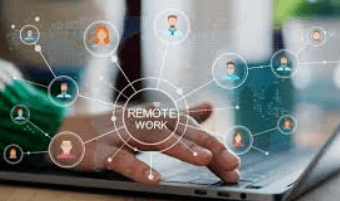
Smart technology centralizes communication, task tracking, and workflow automation into integrated dashboards. It reveals workload balance and progress across teams, aiding strategic decisions. Synchronized calendars reduce time-zone friction and support asynchronous updates, aligning cross-team collaboration. Automation boosts productivity while preserving human agency and rituals. Analytics illuminate engagement, collaboration flow, and decision quality, all while safeguarding privacy. This data-driven approach invites cautious optimism and prompts leaders to consider governance, transparency, and humane scales of effectiveness.
What Smart Tech Enables in Remote Teams
Smart technology enables remote teams to coordinate work with greater transparency and efficiency by centralizing communication, task tracking, and workflow automation. Data shows async collaboration reduces wait times, while integrated dashboards reveal workload balance and progress. Inclusive leadership emerges from equitable access to tools, fostering trust and accountability. Strategic adoption supports freedom-driven autonomy, collaboration, and measurable, forecastable outcomes for distributed workgroups.
Streamlining Communication Across Time Zones
Strategically, teams pursue cross team collaboration through synchronized calendars, defined windows, and asynchronous updates. This approach supports freedom by reducing time waste, empowering autonomous work, and fostering transparent, measurable progress across distributed groups.
Automating Workflows Without Losing Human Connection
Automating workflows without eroding human connection requires a measured balance between efficiency and engagement. Data shows targeted automation boosts productivity while preserving collaboration. Strategic implementation prioritizes mindful automation, ensuring employees retain agency and jornada ownership. Cross cultural trust emerges when tools encourage inclusive input and transparent progress. Team alignment strengthens through shared dashboards, while governance preserves humane rituals, feedback loops, and intentional human oversight.
Measuring Culture and Trust Through Analytics
As organizations scale remote work, measuring culture and trust through analytics provides a structured lens to assess how humanity and performance cohere across distributed teams. Analytics illuminate engagement patterns, collaboration flow, and decision quality, guiding leadership decisions. Data privacy safeguards remain essential, while leadership transparency builds legitimacy and confiance; metrics should inform, not punish, fostering collaboration, autonomy, and purposeful alignment with shared goals.
See also: How Smart Technology Is Supporting Sustainable Agriculture
Frequently Asked Questions
How Is Employee Privacy Protected With Monitoring Tools?
Employee privacy is protected through transparent policies, minimal data collection, and purpose-limited monitoring. Monitoring ethics guide practice, ensuring consent, data security, and regular audits, while employees retain autonomy. Data-driven safeguards promote strategic collaboration and freedom within oversight boundaries.
Can Smart Tech Replace Managers in Remote Teams?
Smart technology cannot replace managers in remote teams; it augments leadership. It enables workflow transparency and tracks trust metrics, guiding strategic decisions while preserving autonomy, collaboration, and freedom for employees within data-driven, unified management practices.
What Costs Are Involved in Widespread Tech Adoption?
“Like a rolling chart,” the analysis notes that widespread tech adoption entails cost considerations such as initial investment, training, and maintenance, while adoption barriers include integration challenges, security concerns, and ongoing governance, guiding strategic, collaborative decisions for freedom-minded teams.
How Do Tools Support Inclusivity for Diverse Teams?
Tools support inclusivity for diverse teams by embedding inclusive practices in workflows, enabling equitable participation, and tracking diverse collaboration metrics; data-driven strategies reveal gaps and guide targeted interventions, fostering collaborative environments where members freely contribute and innovate.
What Are Best Practices for Onboarding With Smart Tech?
Onboarding with smart tech hinges on structured onboarding rituals and tech enabled mentorship, ensuring clarity and pace. Skeptics fear rigidity; data shows higher retention. The approach is strategic, collaborative, and freedom-friendly, leveraging analytics, feedback loops, and transparent progress dashboards for scalable adoption.
Conclusion
Smart technology strengthens remote work by aligning communication, automation, and analytics within a humane, governed framework. It clarifies workload, reduces friction across time zones, and preserves autonomy while sustaining human connection. A hypothetical case: a global product team uses synchronized calendars and automated status updates to halve project lead times, while quarterly pulse surveys reveal rising trust and psychological safety. Data-driven dashboards then guide leadership in transparent, collaborative decision-making, reinforcing inclusive, high-performing teams.